Blog Posts

Grease Testing Concepts (Week 18)

Team FeraFree has two main sub-groups, one for the mechanical portion of the prototype and another for the electrical and software portion. The mechanical group (consisting of Nick, Eric, and Diana) spent this week generating concepts for the grease testing apparatus as well as finalizing prototype dimensions and determining where internal components will rest. We found that the replica bearing rollers don’t rotate easily with manual rotation of the inner race, and so we may have to load it to induce enough friction to lead to roller rotation. See pictured below Nick helping to generate concepts for how we’ll build the support and loading apparatus to test the passive fill system.

The electrical/software group continued testing the TMR sensor, the progress on which has now been divided into two avenues, DC & AC circuits respectively. Minh managed to acquire a measurable signal at 6k PPM ferrous debris concentration with the DC circuit. Maddie and Will put in time programming our microcontroller. Finally, we purchased an additional TMR sensor so that we can pursue DC & AC testing routes in parallel.

Geo-Tagging & Fluid Test Prep (Week 17)

Two steps forward, one step back.

This week team FeraFree endured the loss of one our promising debris sensors, the tunnelling magnetoresistive (TMR) sensor. Voltage was applied in the incorrect direction across the pins, leading to an electrical burnout. Rest assured however, as a replacement is already ordered and on the way to let the team continue sensor testing next week.

In brighter news, Maddie successfully enabled GNSS tracking on the microcontroller board the team plans to use in the final prototype, with an accuracy of less than 10 meters from actual position even at the base of multi-story buildings. This feature was tested inside a rudimentary Faraday cage (to simulate the prototype casing) and failed, confirming that the final design will need to include antennas to move the signal outside the casing. Later, Diana and Nick measured the dimensions of the replica bearing (pictured below), and selected needed materials to build a grease transport testing rig in the near future.

Wind turbine main bearing replica laying inside a box with a ruler laid across the diameter.

Cleaning Up The Signal (Week 16)

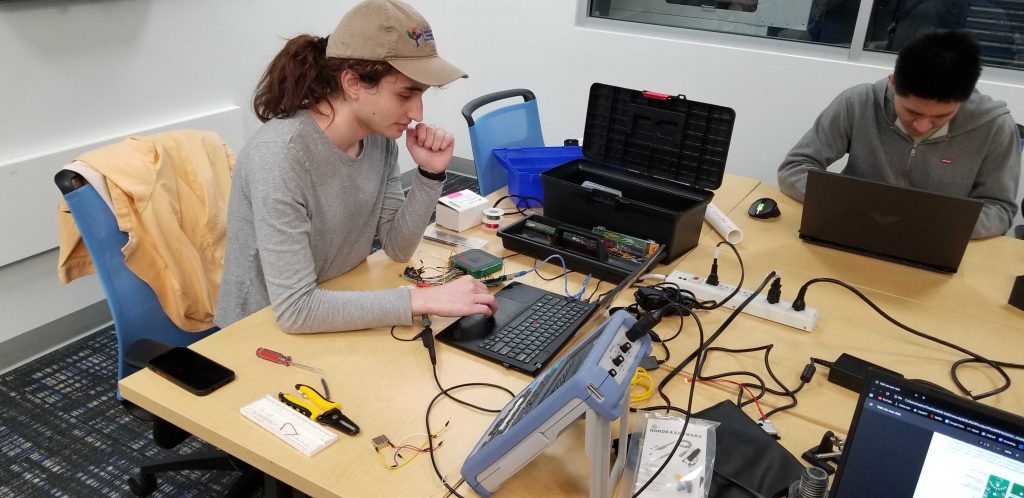
This week team FeraFree continued setting up the TMR sensor and refining the output signal to detect ferrous debris in grease samples (Diana, Max, and Dr. Marte shown working in the image below). We achieved a practical gain in the amplitude of the signal of 2 and successfully reduced a large portion of the noise. Input and output signal voltages to the electromagnetic coil and from the TMR sensor are present and comparable. Maddie and Will worked on connecting our microprocessor to the cell network, which we anticipate to use to meet our sponsor’s geo-tagging requirement.

Next steps will include increasing the voltage provided for signal amplification, isolating the phase difference between the input and output sensor signals and correlating that with various debris concentrations. On the mechanical side, we received a scaled-down replica of the wind turbine main bearing, and we plan to use this to test fluid dynamics of the grease system and evaluate various grease transport methods. Look forward to our next update!

First Steps of Spring (Week 15)

New year, new testing rig!

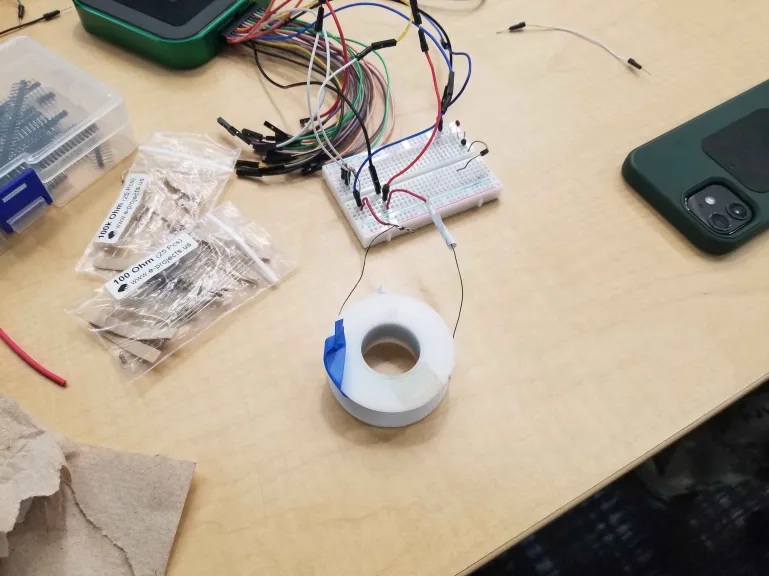
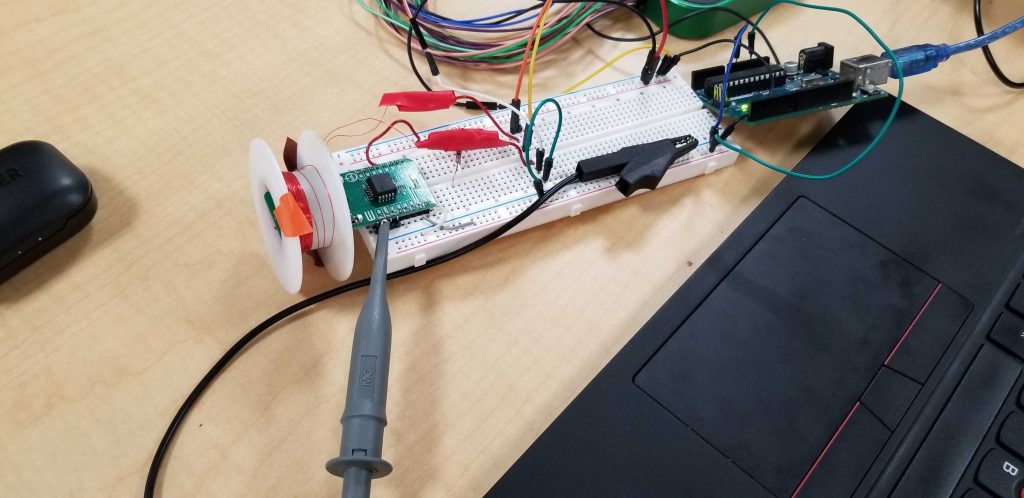
This week team FeraFree hit the ground running by implementing a number of planned upgrades to our sensor testing circuit. Our main focus remains with the tunnelling magnetoresistive (TMR) sensor, which promises a high level of sensitivity to wear debris in a small package, especially when paired with an electromagnetic coil (shown below).

Maddie made the coil easier to swap out by removing one wall of the spool, and attached the sensor directly to the spool to create more consistent readings. After that, Max, Minh, and Will implemented low pass filtering and a signal amplifier to better isolate and extract the signal associated with grease wear debris.

Next steps will include fixing the tubing such that only grease movement is detected, and performing material characterization on the samples provided by NextEra Energy.

Sensor chip placed inside electromagnetic coil on half a plastic spool, firmly mounted by an alligator clip.

System Level Design Review (SLDR) Week 14

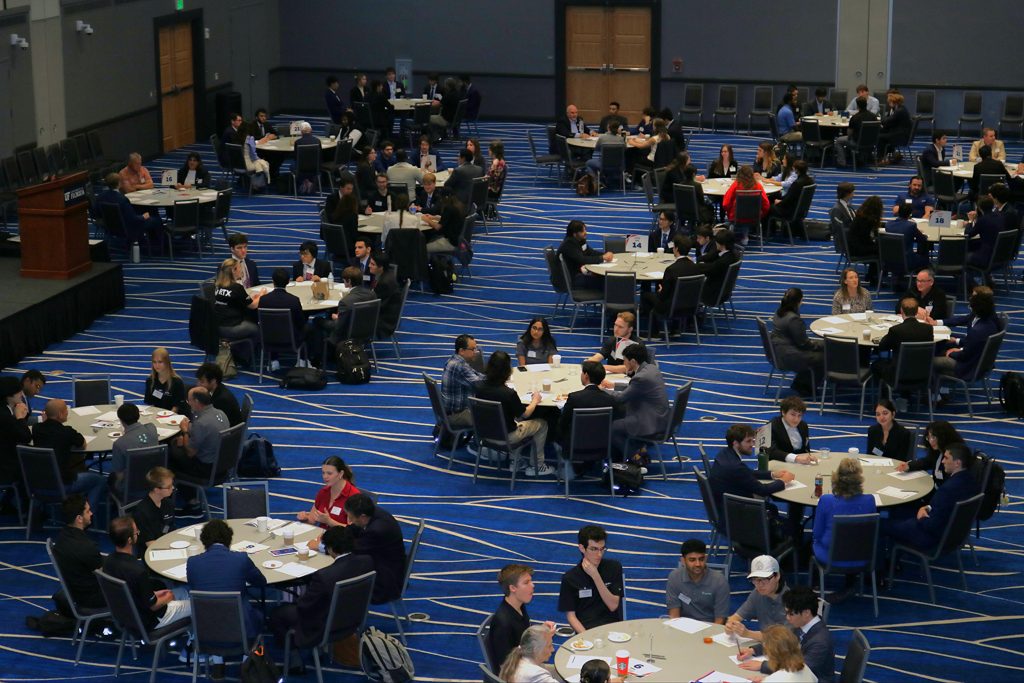
This week was a major milestone for our team. Tuesday was our System Level Design Review (SLDR), an event we’ve been preparing for throughout the semester. The day started with an interactive keynote session, where IPPD teams and liaisons gathered in groups to participate in discussions highlighting key questions, common misconceptions, and practical advice about working in the professional engineering industry.

After the keynote, we had the opportunity to present our SLDR to our liaisons, other project teams, and attending faculty. We formally showcased our updated system architecture, hardware layout, and the overall design direction we’ve developed this semester. It was extremely rewarding to finally share everything that we’ve been working on. It was also very validating to hear questions and feedback from people outside our team.

Overall, the SLDR was a huge success, and it was exciting to show off the work that the team has poured into this project. As we head into break, we’re looking forward to continuing development, refining our prototype and testing approach, and preparing for extensive prototyping next semester. There’s still a lot to do, but this week has made us even more motivated and confident moving into the next phase.

Below is an image from the SLDR event, and it will be updated once the professional photos taken at the event are made available to us:

Peer Review SLDR (Week 13)

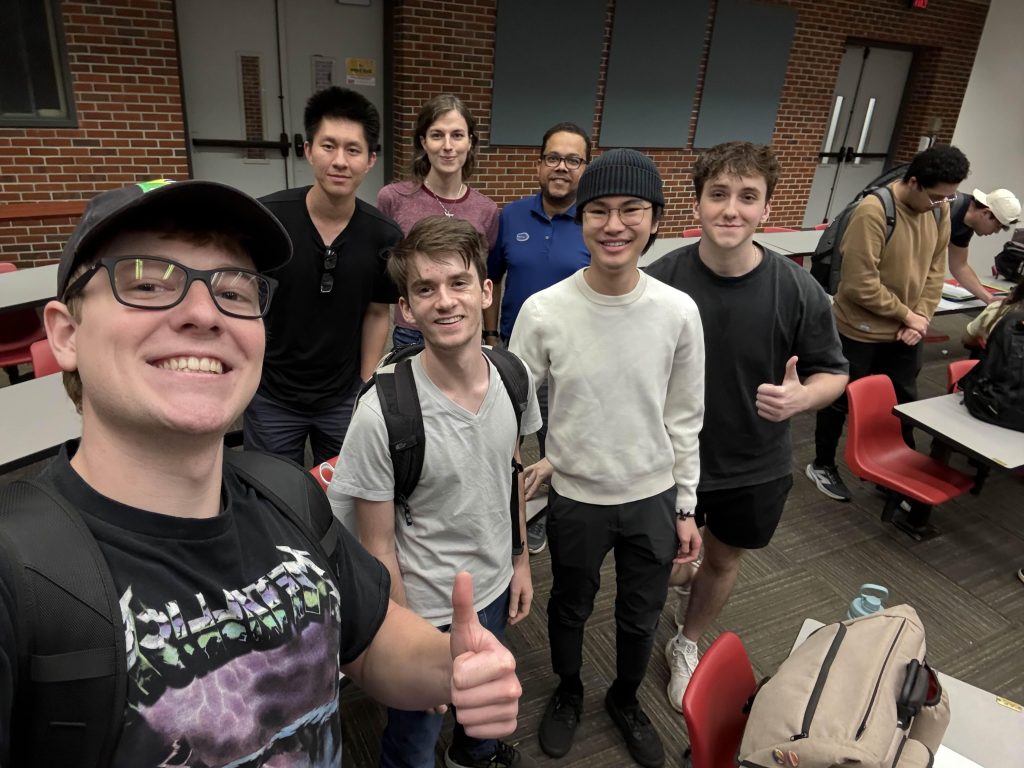
This week, FeraFree participated in the Peer Review for our System-Level Design Review (SLDR). We had the opportunity to present our current design and progress to three other IPPD teams – LineTech, DreamSteam, and RideOn – as well as the IPPD Lab Manager Lawrence Warren. This was extremely valuable, as it allowed us to gather feedback on both the technical details and overall delivery of the presentation before the SLDR event on December 2nd.

This feedback will help us pinpoint areas that need clarification and improve our presentation flow and slide organization as we move forward. Additionally, attending the other teams’ presentations gave us insight into different approaches being used for system-level reviews.

Attached below is a photo of our team after finishing our presentation!

Pushing Toward SLDR & Sensor Testing (Week 12)

This week, our team has been fully focused on locking down the final details for our System-Level Design Review (SLDR) report. We’ve made significant progress and are now close to completing our draft for the peer-review presentation on Tuesday, November 18th.

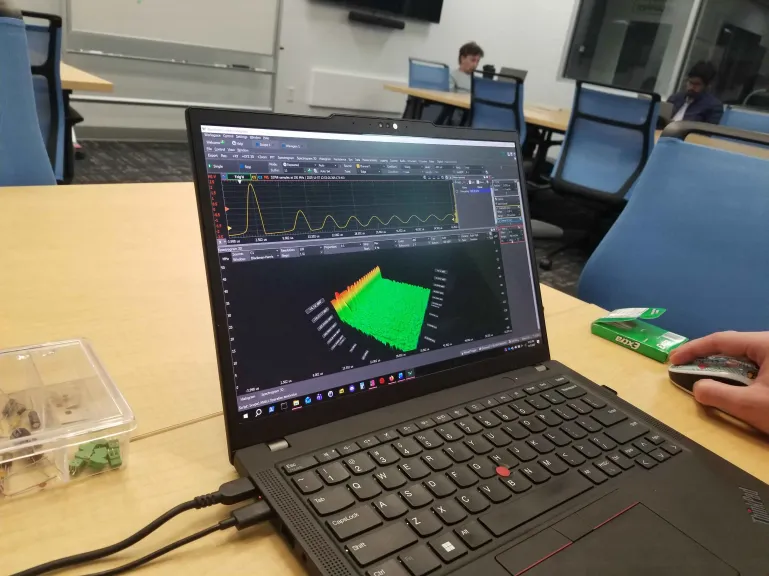
At the same time, we’ve continued our sensor testing efforts, specifically with several new sensors that arrived this week. These additions have helped us gather more data and explore alternative sensing approaches, and we hope to continue evaluating which technologies show the most promise for our system.

Below are pictures from one of this week’s testing session:

Prototype Inspection Day (PID): Week 11

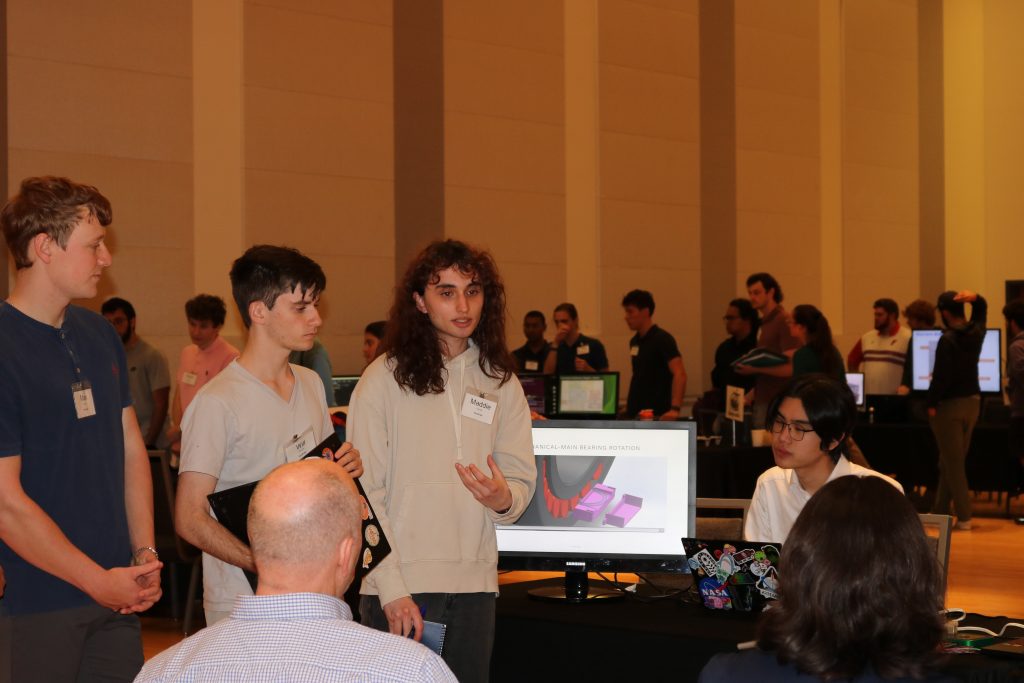
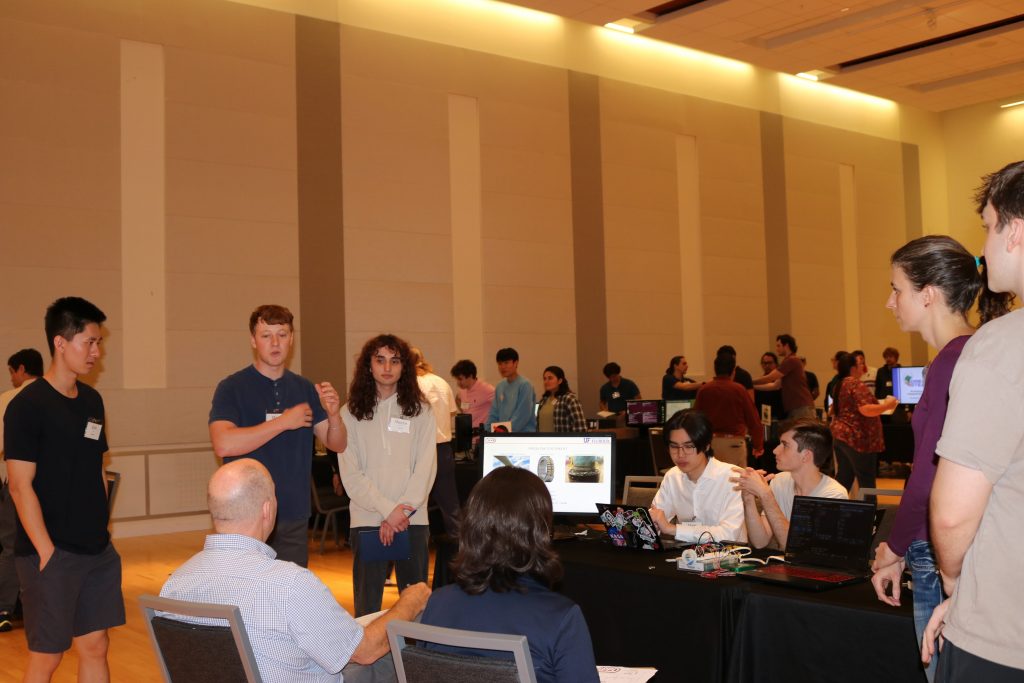
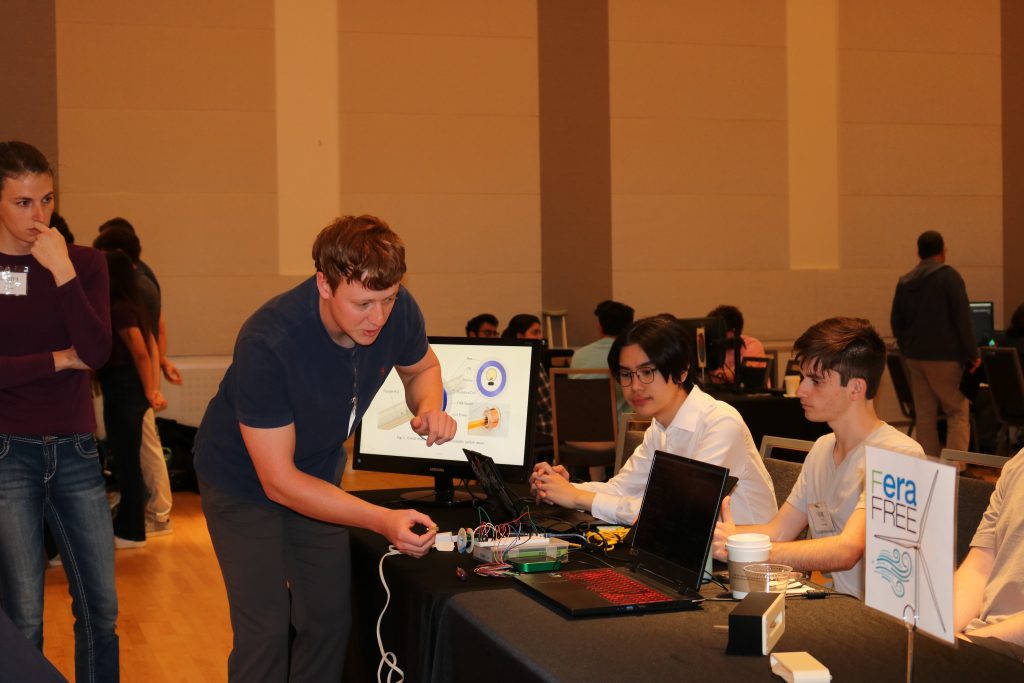
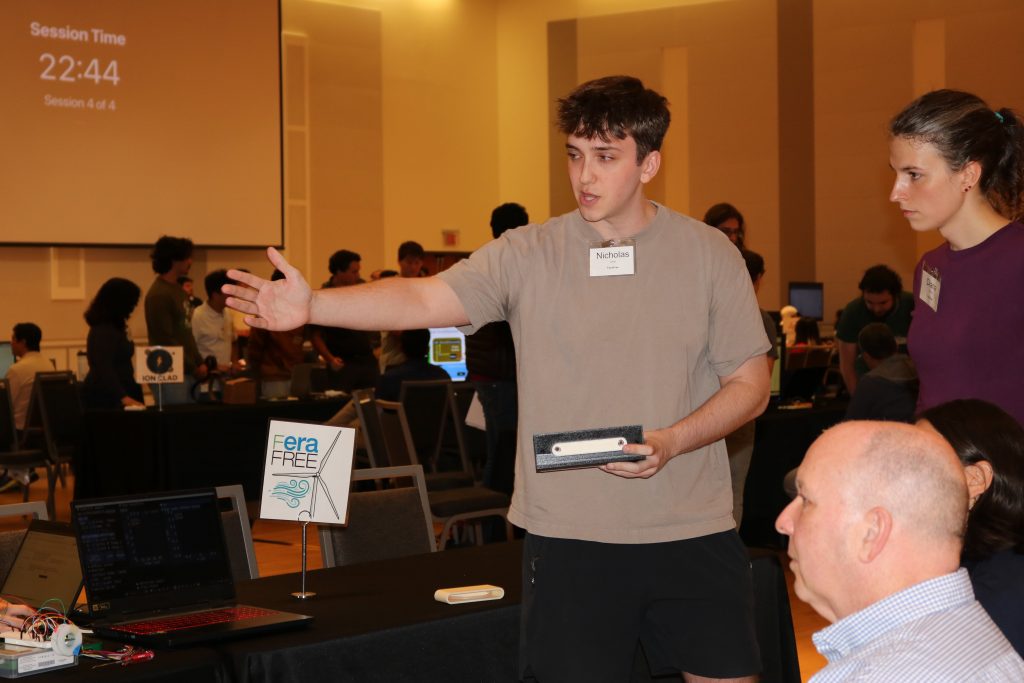
This week, our team had the opportunity to attend the University of Florida IPPD Prototype Inspection Day (PID) and showcase the first iteration of our project. We presented a preliminary mechanical model along with a sensor testing setup to several groups of UF faculty.

PID gave us the chance to explain our design decisions, walk through our testing process, and gather real-time reactions and feedback from experts with diverse engineering backgrounds. We received feedback on our mechanical layout, sensing approach, and system integration strategy, which we will use to guide the next phases of our project.

Overall, this event marked an exciting milestone as we transition from conceptual work to physical prototyping. We look forward to refining our design based on the feedback we received to build toward a fully functional system.

Below are some pictures from the event:

FeraFree Sensor Testing (Week 10)

This week marked an exciting milestone as we began the first phase of sensor testing for our project. Our focus was on evaluating different sensors to determine which are the most promising for our project’s scope. Through these tests, we started ruling out incompatible sensors and focusing efforts on those that provide measurable responses.

At the same time, prototyping of our CAD designs has already begun as we prepare for Prototype Inspection Day on November 4, 2025. We’re excited to transition from the conceptual design stage to hands-on prototyping, where we can begin integrating our selected sensors into the physical system and testing their performance.

FeraFree meets NextEra! (Week 9)

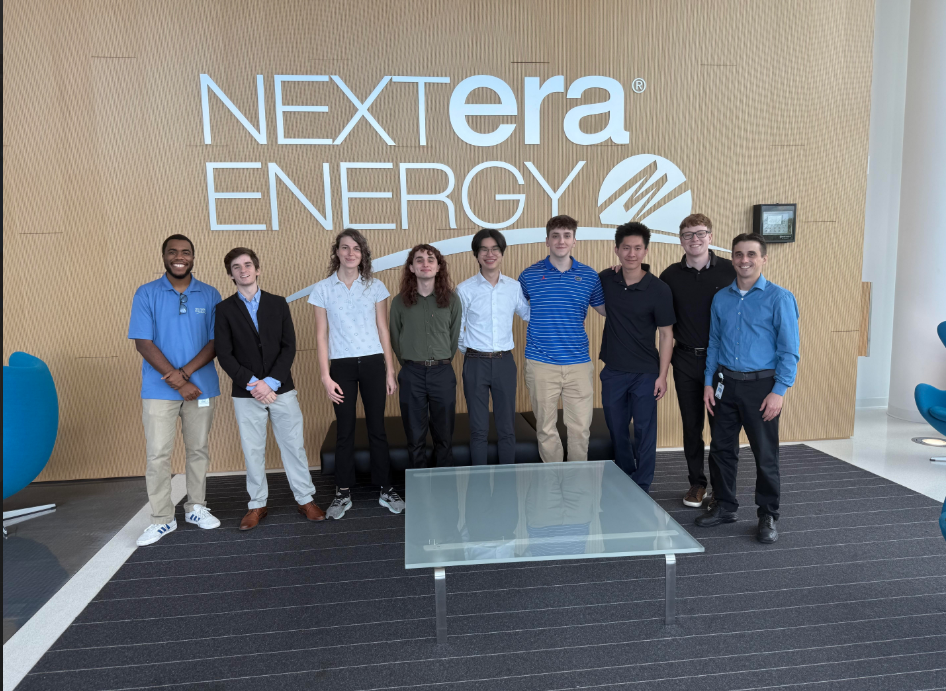
This week, our team traveled to Palm Beach Gardens to deliver our PDR presentation to NextEra! Due to how far the road trip was, we actually stayed at a hotel overnight and headed over to the NextEra headquarter the morning after. In our arrival to the NextEra facility, we were set up with visitor passes and got a brief tour of the facility with Sharon who was the PGD(Power generation department) Technical Services Manager. We were able to meet with both our liaisons engineers (Drake and Malcolm) and got set up with a meeting room to present our PDR. Everyone did an excellent job presenting their sections of the slides, and afterwards we opened for discussions. This allowed us to address both technical and non technical questions about our project and receive valuable feedback rom the engineers. With Prototyping day coming up, the liaisons offered to send us a sample roller bearing system for testing. This was a valuable resource as it saved us the time and resources needed to make our own system from scratch! NextEra also provided us with lunch, giving us the opportunity to bond with the liaisons and learn more about the company After lunch, we enjoyed a more in depth tour of the NextEra facility, met with Senior director Devin Martin who was one of the executive sponsors for our project, and gained further insight into their operations. Once the tour concluded, we thanked the liaisons and said our goodbyes, and began our drive back to UF. Overall it was an amazing experience from start to end! For the upcoming week, we will be doing sensor testing and design prototype for the sensor sampling and processing.

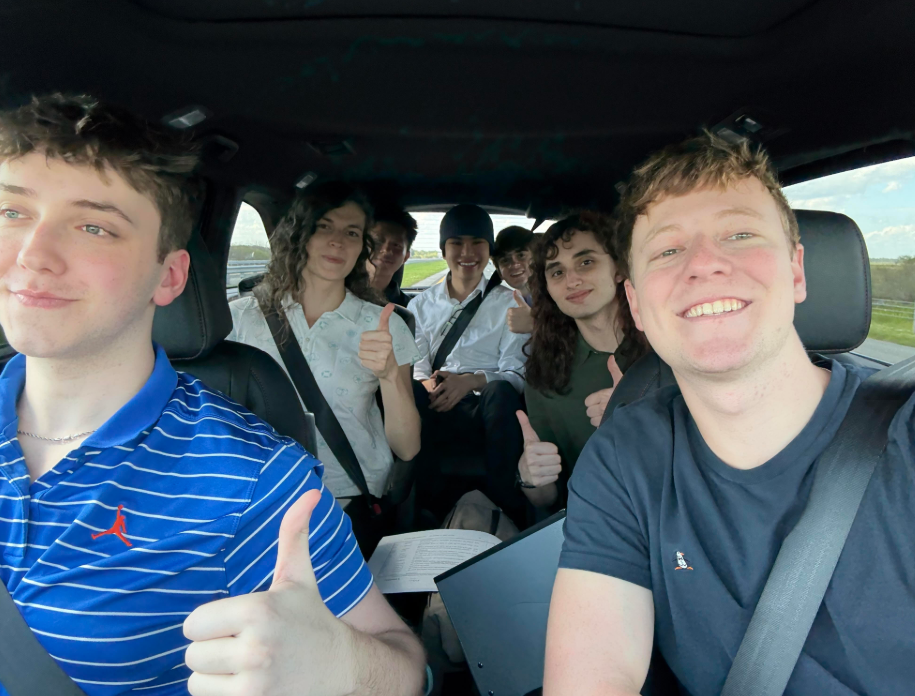
On the road back to UF!
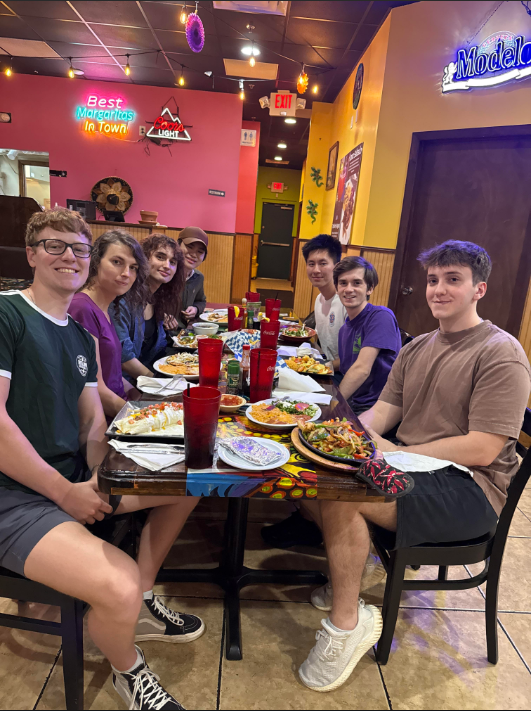
Group lunch at CASA Agave
Group picture of FeraFree with liaisons Malcolm (Far left) and Drake (Far right)