Blog Posts

Our SLDR Story 😎

The final review day finally arrived. The System Level Design Review. The event everyone in IPPD had been slowly building toward. The day started earlier than usual for all of us. Students were picking the right tie, polishing shoes, making sure the shirt collar actually stayed in its place. Faculty were preparing their notes, reviewing their teams, and getting ready for what would be a very long afternoon. The IPPD staff, who had been preparing for months, were piecing together the final touches for the big day.

The Grand Ballroom at the Reitz Union was already buzzing by the time we walked in. The setup was beautiful and formal, with refreshments, networking spaces, and the familiar faces of liaisons and students from every team. Before anything officially started, we took a few pictures with our liaisons near the green screen with the giant Gator chomping backdrop.

<We are still waiting on the media from IPPD staff and will be adding the pictures soon.>

At 1 pm, everyone settled at their assigned tables. The seating was mixed so that each table had one or two liaisons and four or five students from different teams. It was a refreshing change to interact with people outside our usual circle. The interactive session soon began, focusing on topics like Engineering Connections, Professional Skills, leadership, and industry readiness. The conversations were surprisingly engaging.

After the keynote and interactive session wrapped up, at 3:15 pm we all started moving toward our meeting rooms on the second floor. Our room was RU 2335. The presentation lineup in our room was Brick By Bit, Loyalty, Cemantics, and LuminaTech. As we sat waiting for our turn, we watched Brick By Bit and Loyalty deliver strong, confident presentations. Their Q&A responses were sharp, and they set the bar high. We wanted to match that energy.

But the moment it was our turn, things quickly took a dramatic turn. The room was packed with experts talking among themselves. A camera was pointed directly at us. Dr Silva and Dr Salgado walked in just in time to add a little more pressure. And then right when we were about to start, someone tripped over the projector cable and the entire display bailed. Black screen. Silence. Eyes turning. Not the best start.

We had to act fast. We fixed the cable and tried to bring the room back together. In a moment of panic mixed with confidence, I half yelled “Perfect!” which somehow pulled back half the room’s attention. “Let’s start,” I said, looking at Hritik, our IPPD Course Assistant. He gave us the go signal with just his eyes. That was all we needed.

The presentation began. It was not flawless. No final review presentation ever is. We skipped a few points, mispronounced a word or two, stuttered at times, and went over the time limit by six minutes. But we kept going. We stuck to the story we had built over weeks. And we delivered it proudly.

The best part came during the Q&A. The team was confident and sharp. Everyone stepped in naturally. We answered before our liaisons needed to, and every time they nodded along, it felt like we were earning their trust even more.

When we wrapped up and walked back to our seats, Ashley, our liaison, leaned toward us and said, “Great job, guys!”

In that moment, every bit of tension left our shoulders. All the long nights, stress, and pressure suddenly felt worth it.

SLDR was not perfect for us. But it was real. It was human. It was our best. And we walked out proud. 🚀

Week 13: Coming up next, SLDR!!

We were not rushing, not scrambling, but slowly and steadily stirring the pieces that will shape the next phase of our project. After wrapping up the Peer Review SLDR, the team settled into a nice rhythm of refining, thinking, and planning the steps ahead.

We started with more updates to the UI. These changes were small but meaningful, the kind that make the system feel a little clearer and smoother every time you interact with it. It is always nice to see the interface become more natural to use because it reminds us that the project is growing in the right direction.

One of the main highlights of the week was delivering the Peer Review SLDR presentation. It felt good to finally put everything out there and walk the reviewers and other teams through our design decisions. The feedback we received was valuable and gave us a clear sense of what to improve as we move forward. It was one of those moments where you feel both relieved and motivated at the same time.

We also started laying the foundation for the minimal viable flow for submittal processing. This part of the project needed a lot of careful thought. During our meeting with the liaisons, we asked the questions that mattered and made sure we understood their expectations. Now we have concrete action items and a clearer direction for how the submittal flow should work.

For next week, we will keep working on defining the architecture for the submittal MVF. We will also continue improving the UI, including the ability to view past chats, and strengthen the backend with better reference tracking and increased reliability.

Everything is still on schedule, and it feels like the project is settling into a strong stride. With each week, the system becomes a little more refined and a little more real, and Team 18 is ready to keep it moving.

Week 12: Progressing fast for SLDR🏃‍♂️‍➡️🏁

This week felt a bit like being in the kitchen before a big family dinner. We were not serving anything yet, but we were prepping, tasting, fixing, and making sure everything would come together perfectly for the System Level Design Review. There was a quiet excitement in the air as Team 18 focused on getting every piece ready.

We began with the UI, making small but meaningful updates. These little changes made the interface clearer and easier to follow. It felt like adjusting the seasoning in a dish. Nothing dramatic, but you know it is better than before. The team spent time thinking through the user’s point of view, making sure every button, label, and screen made sense.

On the backend side, we started cleaning things up and refining the core logic. This work is not flashy, but it is the foundation. Smoother performance now will make future features fall into place more easily. It was satisfying to see parts of the system get a bit more stable and efficient with each update.

A big part of the week was also spent preparing for the upcoming System Level Design Peer-Review. We started shaping the slides and organizing the material. This felt like arranging the ingredients before the final cook. We wanted the story of our system to be easy to follow, and for our decisions to be backed by clarity.

Looking into next week, the plan is to finalize the Peer Review SLDR report and present it. We will also continue enhancing the UI, especially by adding a way to view past chats. On the backend, we will focus on reference tracking and improving the system’s reliability. We will also discuss our integration plan with the liaisons, especially how to work with Microsoft Entra ID for access control and Single Sign-On.

Week-11, PID: Prototype Inspection Day 😮‍💨

The Setup:

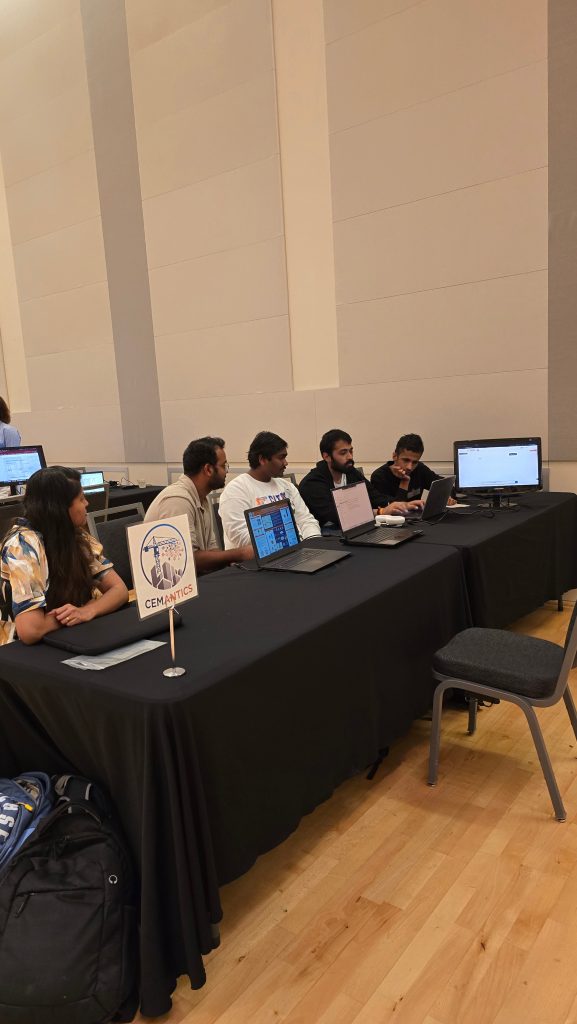
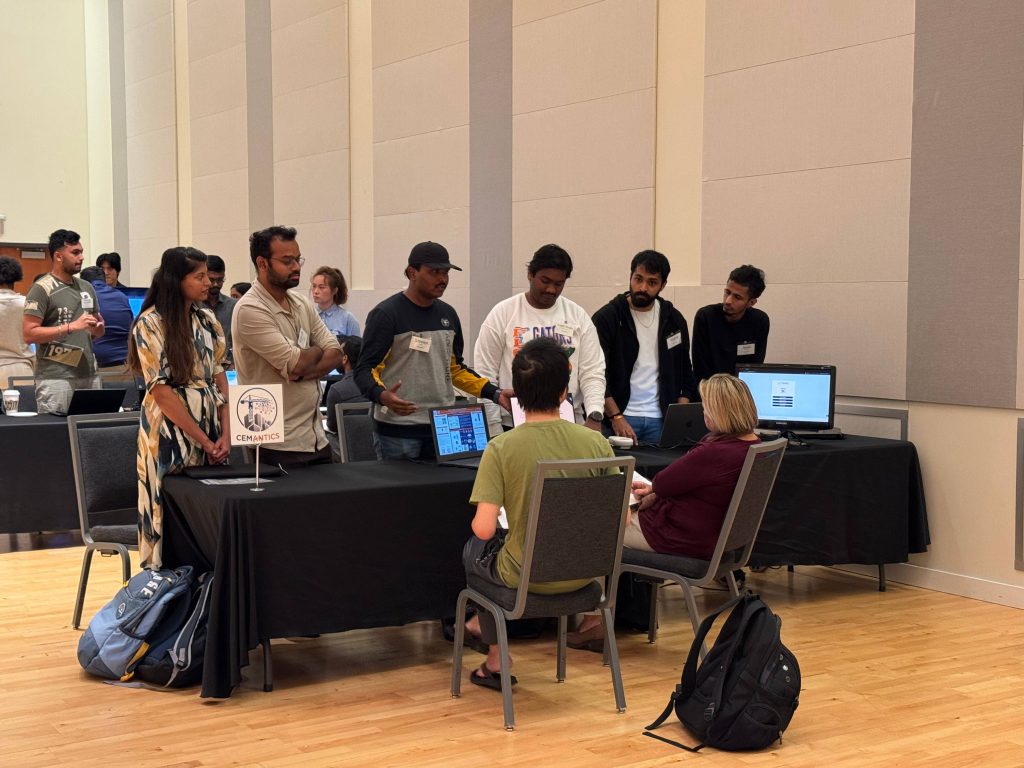
The long-awaited Prototype Inspection Day finally arrived, and Team Cemantics was ready to showcase all our hard work. As we reached the Rion Ballroom on the third floor of the Reitz Union, we were met with an impressive and sophisticated setup. A large front desk with volunteers kept everything running smoothly. The atmosphere was filled with excitement and nerves as some teams were still setting up while others looked calm and confident.

We greeted Dr. Edward, who wished us the best for the event, and quickly got to work. Using the monitor, extension box, and cables we got, we set up our station with three displays — one showing our AI Days poster, one for our prototype implementation, and another for our pitch presentation. Within minutes, we were ready to begin.

First Interaction:

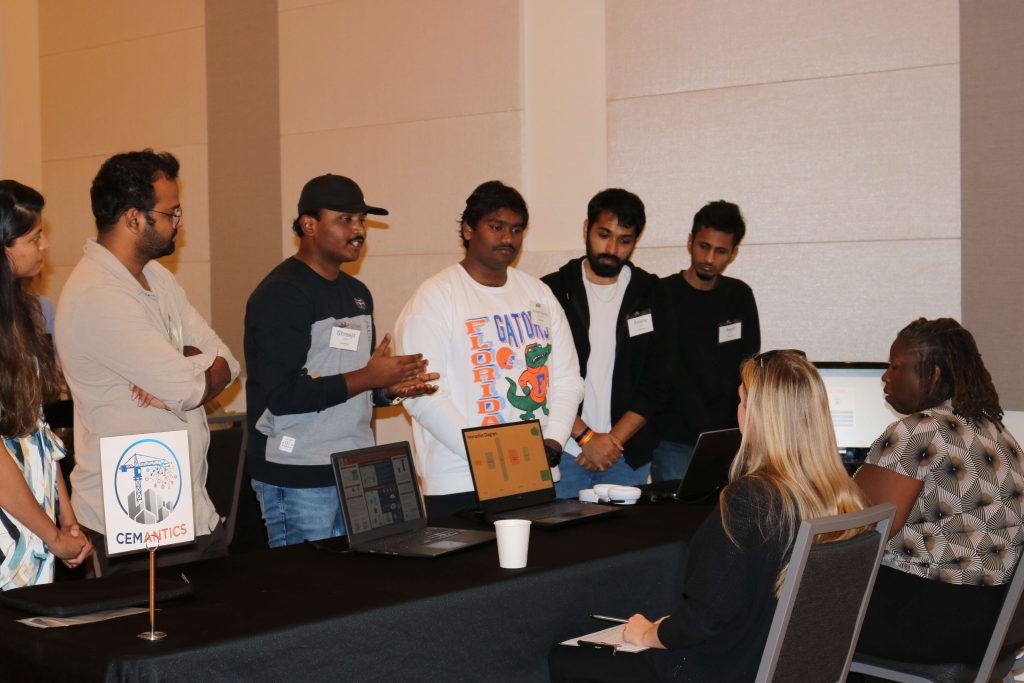
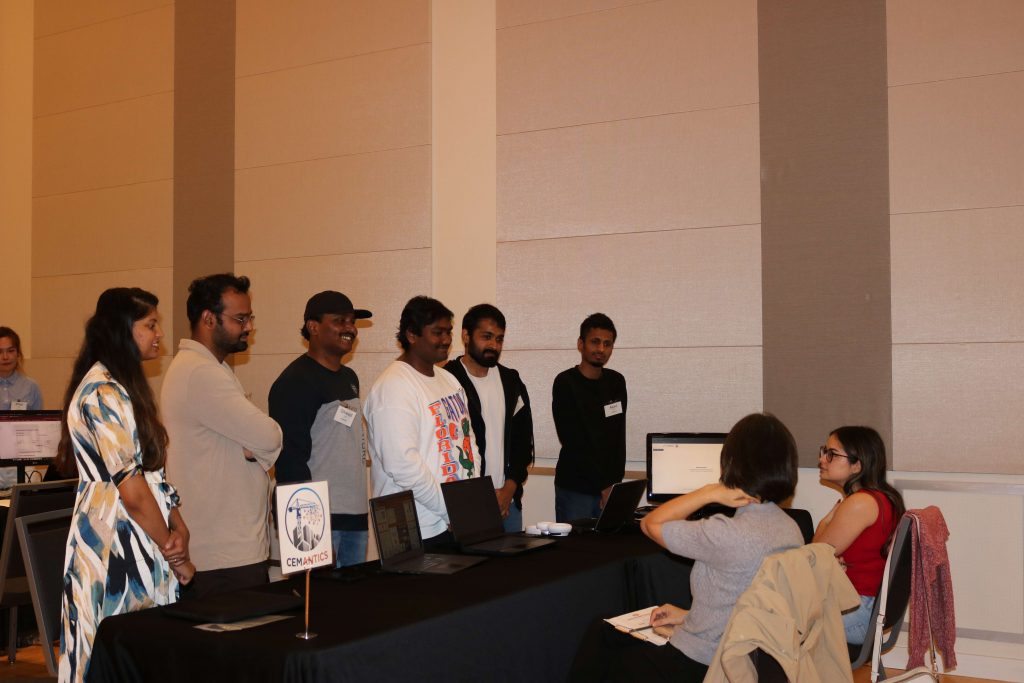
Our first judges were Professor Cheryl Resch and PhD student Roubin Chen. The presentation flowed naturally from introduction to requirements, theory, solution, and implementation. It felt authentic since we had not rehearsed it before. Their questions focused on backend functionality and testing methods, helping us refine our answers for the next rounds.

Second Interaction:

Next, we presented to our coach, Dr. Sanethia V Thomas, and Professor Andrea Goncher. Wanting to be perfect in front of our coach made us a little anxious, and our delivery lost its smoothness. We received valuable feedback on security validation, data access control, and model choices for vectorization and retrieval. This helped us realign our structure for the next session.

Third Interaction:

Our final session was with a former IPPD student and Professor Rhog Zhang. They shared that our poster was crowded and encouraged more visuals for large screen readability. They also reminded us that having all six members present would better reflect teamwork, even though our two person approach kept the pitch seamless.

In the end, the day was a great success. The feedback we received was thoughtful and practical. We immediately used it to improve our implementation and later gave a demo to our liaisons on the following day, who were very happy with our progress. Their encouragement keeps us motivated as we continue refining the system for the upcoming SLDR.

Week 10: Typing… ❌ Prototyping!!! ✅

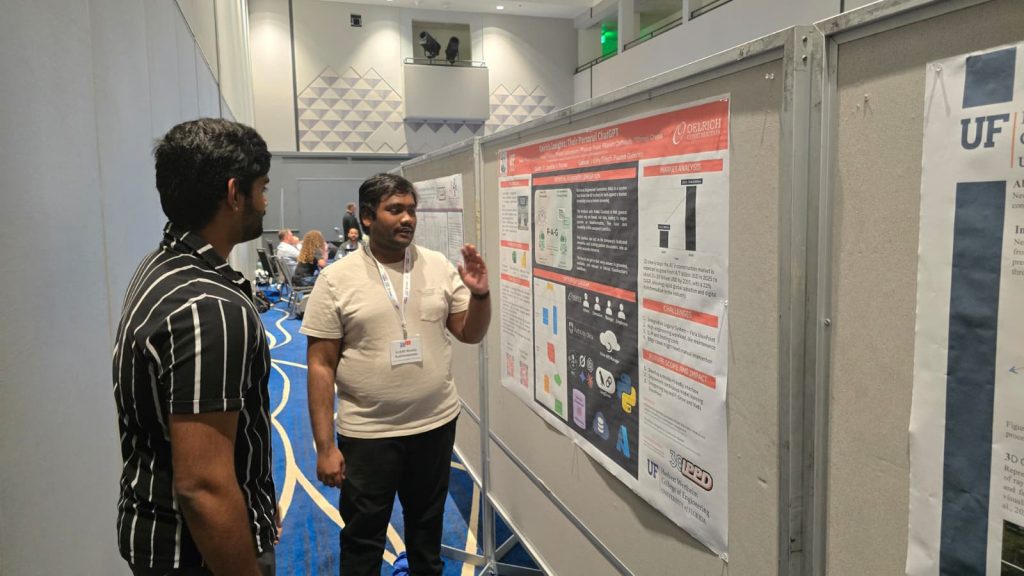
**Pat **Pat Team 18! The poster presentation was a super hit, just a bit over-populated. Students, faculty, and visitors who came along showed genuine interest in our work, and shared encouraging feedback. It was such a proud moment to see our team’s efforts appreciated and our project gaining well deserved attention.

That was not the only highlight. We also completed Phase 1 of our prototyping successfully as planned. After weeks of planning, refining, and testing, it felt amazing to finally see our ideas take shape. Every team member played a vital role in making this happen, from setting up the cloud architecture to integrating the first components of our system. Seeing everything come together was a moment of real accomplishment.

Now our focus shifts to November 4 when we will present our work on Prototype Inspection Day. With the core structure in place and a clear plan for improvement, the team feels confident and ready. The goal is to polish the prototype, make sure everything runs smoothly, and present our progress with the same energy and enthusiasm we brought to AI Days.

This week reminded us of how much we have grown together as a team. From the excitement of presenting our poster to the satisfaction of completing a major project phase, it truly felt like a milestone moment. Each achievement brings us one step closer to our vision, and Team 18 is more motivated than ever to keep the momentum going as we prepare for the next big challenge.

Week 9: Endless 1st Month, Exciting 2nd.

What a rollercoaster of a week it’s been! Just when we thought we were done with the PDR document, it seemed to keep finding its way back to us, again and again. Between submitting, redoing, and reformatting, we lost count of how many times we revisited it. Even after what we believed was the final submission, a few more changes popped up. But can we really call it our fault? Probably not it’s all part of the learning and refinement that comes with working on a live, evolving project.

Despite the document chaos, our team made solid technical progress. This week, we completed an in-depth cloud cost analysis and provider comparison across AWS, Microsoft Azure, and Google Cloud Platform. We focused on identifying the main cost drivers like vector database hosting, AI inference, and compute expenses, which form the core of our operational costs. The results were presented to our liaisons, helping us make a well-informed decision about which cloud platform best suits our project’s needs and budget.

Beyond the regular project work, there’s another reason for excitement. Our team has started preparing our poster for UF AI Days! It’s a big opportunity to share our work with the broader AI community at the University of Florida, and we’re eager to showcase the progress we’ve made so far.

Another major step forward was developing our Prototype Inspection Day (PID) plan. We outlined the development framework, integration strategy, and component-level details that will shape the prototype’s implementation. It was exciting to finally see our architecture begin transforming from paper to planning reality.

With the cloud infrastructure now finalized and the PID plan ready, we’re officially stepping into the prototype phase. The project remains right on schedule, and our team is feeling more confident than ever.

This week taught us that revisions aren’t setbacks — they’re part of growth. From redoing the PDR to refining cloud plans, every iteration made our work sharper. Team Cemantics is ready to take the next big leap from Designing to Developing!

Week 8: PDR Presentation

What a week it’s been! The nervous shivers we felt before our PDR presentation quickly turned into wide smiles after hearing the positive feedback from our liaisons. Their words appreciating our detailed explanation of the problem, our technical clarity, and teamwork — made all our hard work feel truly worth it.

This week, our team focused on refining and strengthening our project deliverables. We updated our PDR presentation based on the peer review suggestions to make our technical architecture clearer and more aligned with our goals. Due to a teammate’s temporary medical absence, we also adjusted our roles and responsibilities to ensure everything continues smoothly without delays.

A major highlight of the week was delivering our PDR presentation to the Oelrich executive team and our coach during their on-site visit. It was an incredible experience to showcase our design and get valuable insights directly from professionals in the field. Afterward, we also revised our PDR document by incorporating grading feedback to make it more accurate and comprehensive.

Looking ahead, we’re excited to move into the next phase, IMPLEMENTATION. Our focus for the upcoming week will be to develop a robust project pipeline for our system architecture, leverage the secure data access provided by Oelrich Construction, and begin early-stage prototyping.

We’re proud to share that our project is right on schedule! With the design phase wrapped up and a strong plan for the next steps, “Cemantics” is ready to turn ideas into action. The journey from shivers to smiles has been a rewarding one and it’s only the half way through.

Week 7 : Milestone Unlocked: PDR Approved and Ready for the Next Phase!

This week, our team achieved a major milestone our Project Definition Review (PDR) and preliminary design architecture were officially approved by our coach!

We also completed our PDR peer review presentation and submitted the feedback response memo, ensuring all peer suggestions were addressed. Additionally, we met with the Oelrich Construction IT team to resolve pending technical questions. They’ve now joined our Teams channel to streamline collaboration.

Looking ahead, we’ll deliver our official PDR presentation to our liaison and the Oelrich executive team during our on-site visit on October 15th . We’ll also set up remote desktop access with the IT team and begin the Detailed Design Phase once final approval is received.

Exciting progress so far – the team is ready to move from concept to detailed design!

Week 6 : Advancing Toward PDR and Design Completion

This week, our team made strong progress toward the Project Definition Review (PDR) and Preliminary Design Architecture, both set for submission next week. We successfully completed the concept generation phase, holding a productive brainstorming session to evaluate multiple design ideas that will be finalized in the PDR.
The team is now conducting focused research on suitable AI agents and cloud platforms to support the technical framework.
Next week’s priorities include submitting the PDR and design architecture, securing remote desktop access, and preparing for the on-site visit on October 15th.

Week 5 : Shaping the Path Forward

The project moved forward steadily this week as we received official approval of the roadmap and finished the Project Development Specification (PDS) document after modifications. We also planned an on-site visit to Oelrich Construction’s Gainesville facility on October 15th, where we will have the opportunity to discuss progress with the management team in person. In conjunction with these changes, our team began technical research, exploring potential uses for large language models (LLMs) and cost-benefit analyses of different cloud platforms.
Our main objectives for next week are to finish the Project Definition Review (PDR) report for submission, select the appropriate system access equipment, and advance our research on cloud and LLM alternatives. We are additionally getting ready by detailing specific objectives and questions to guarantee the site visit yields maximum advantage. With all necessary documentation approved and planning milestones set, the project is proceeding according to plan.