Blog Posts

๐Ÿ› ๏ธโœจ First Fully Wearable Robin Prototype Assembled!


Big milestone moment for the Robin design ๐ŸŽ‰ We officially assembled our first fully wearable prototype, and seeing it come together was incredibly rewarding.

After weeks of CAD, planning, and part sourcing, we brought the physical components together and confirmed that the design actually works on a human body, not just on a screen ๐Ÿ˜„ The fit, form factor, and overall wearability were our main focus during this stage, and the results are promising.

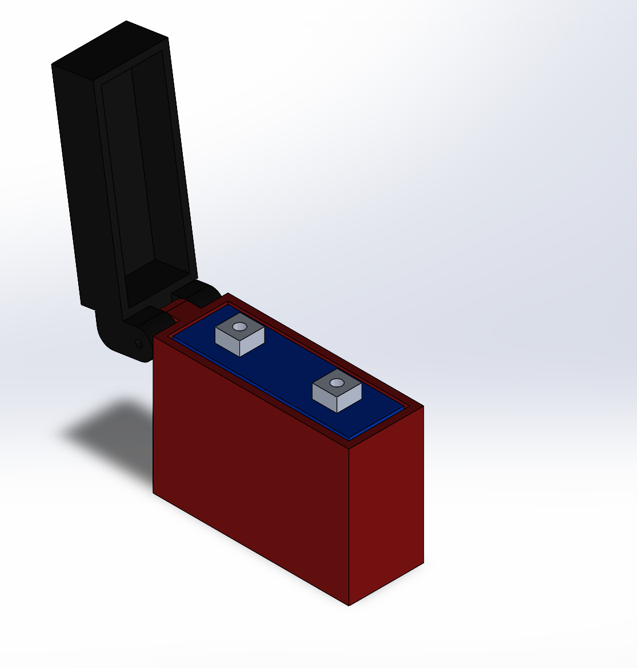
One of the key highlights of this build was successfully integrating the prismatic battery ๐Ÿ”‹ into the wearable form. The battery placement maintains a low profile while keeping weight distribution comfortable for the user, which is critical for extended wear.

At this stage, the model is mechanically complete, but the work is far from over. We are currently working to integrate the electrical components, including wiring, controls, and power management โšก This next phase will transition Robin from a passive wearable into a fully functional system.

Overall, assembling the first wearable model was a huge confidence boost for the team. It validated our design assumptions and gave us valuable insight into what needs refinement before the next iteration ๐Ÿš€

More updates coming soon as Robin comes to life. Stay tuned ๐Ÿ‘€๐Ÿค–

QRB1

Volt by Volt.

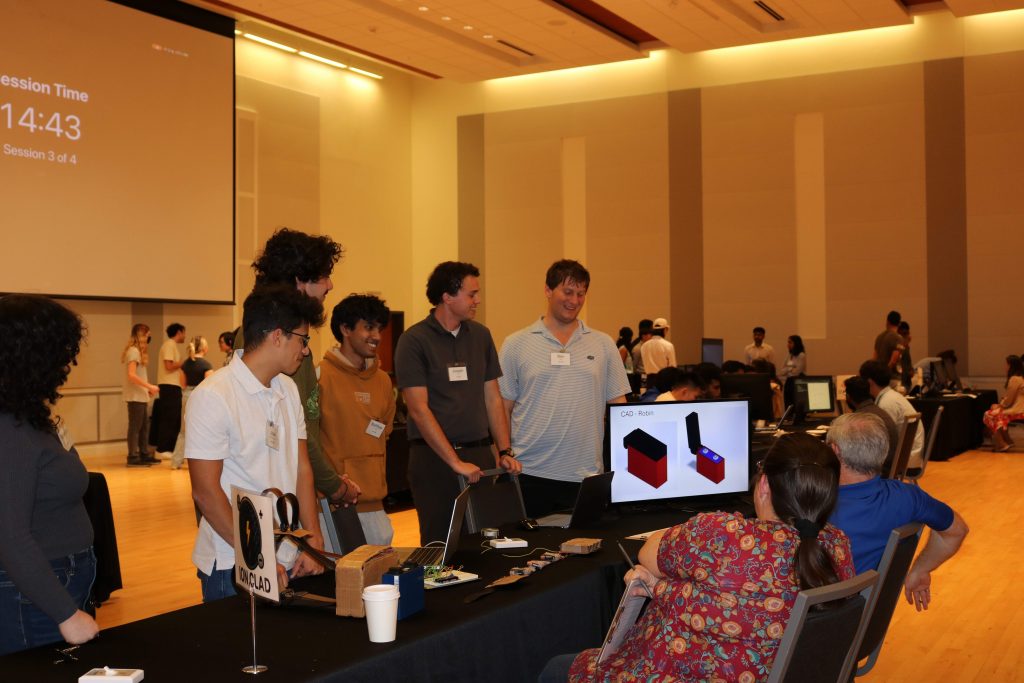
Our team is preparing for electromechanical integration. All critical parts have arrived , but we need to prepare for our QRB1. The most prominent talking points were our plans moving forward , our risks , and where have we achieved. We were expecting to be devoured by the coaches , but they were pleasantly suprised by our progress. This is a major success for the Ion Clad team , and we hope to carry this motivation forward as we start the battery assembly.

As with all projects , we risks that can prevent us from finishing our design. Our team took the time to plan out our risks and take measures to mitigate their probabilities. We are confident that we can achieve our TPMs and impress the IPPD team.

Manufacturing Robin and QRB1

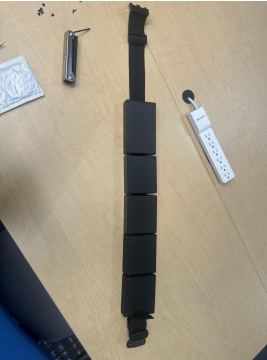
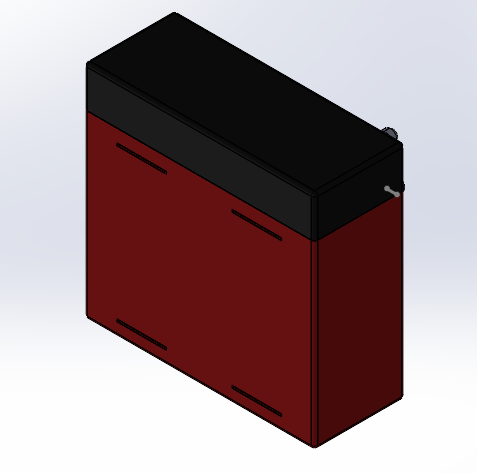
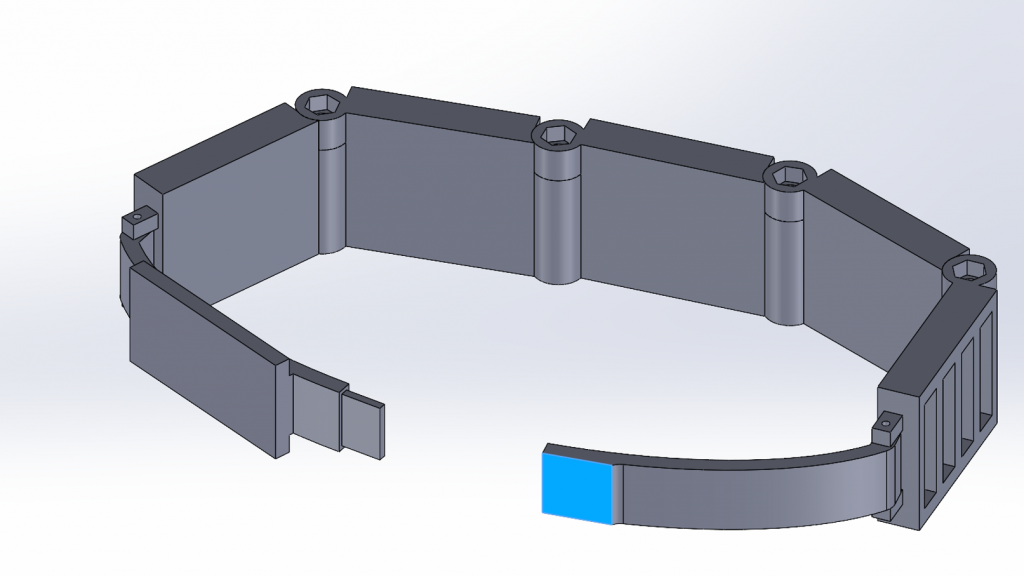
This week the Ion Clad mechanical team 3D printed the v1 design for the codename Robin design and began assembly as well. This assembly will be completed for QRB1 to display the two pure-mechanical prototypes of our wearable lithium-ion battery pack project.

The current status of the prototypes of both designs are shown in the figure above.

Also, the team utilized this weeks time to get as many required purchase orders completed as possible to ensure that all of the parts required for electromechanical integration were ready. These purchases included but were not limited to a waterproof coating, electrical converters, breakers, and fuses.

The team is excited and eager to display what they have done and what the next steps are on the upcoming QRB1 presentation upcoming on Tuesday 1/27/2026.

Ion Clad: Back for Spring

Ion Clad is back and ready to get to work in the new semester. After a successful SLDR and a well deserved break the engineering students are ready to jump right back in. We have many plans for the semester ahead and want to jump right into building and testing our project.

System Level Design Review

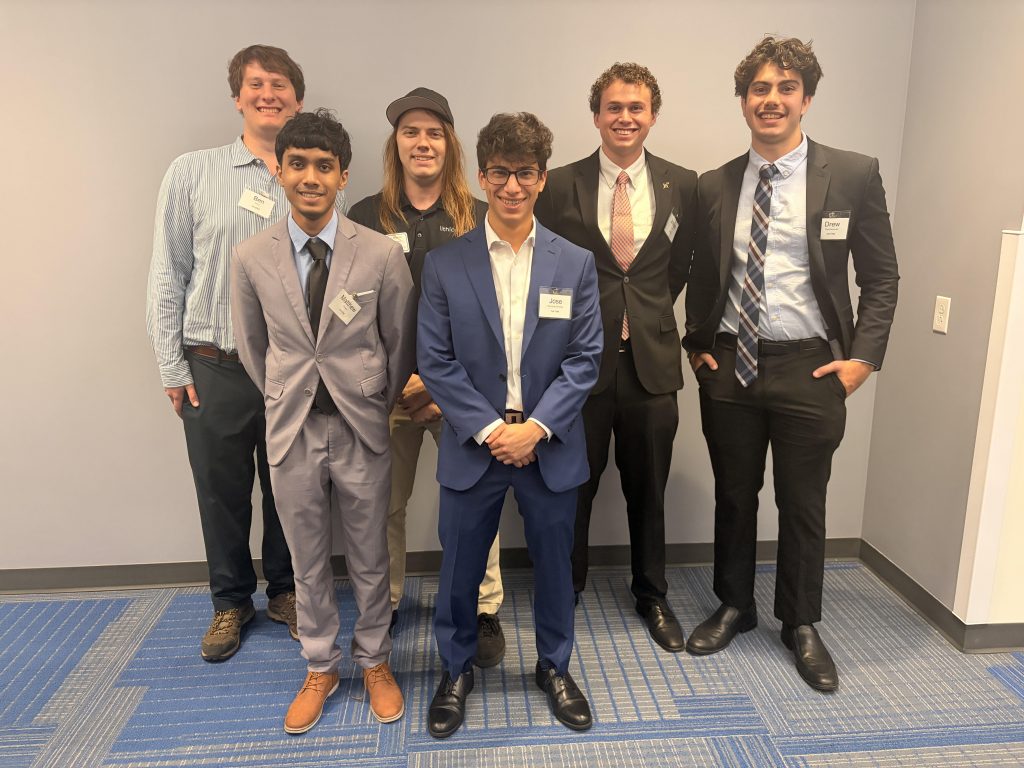
As the semester wraps up Ion Clad is happy to report a successful System Level Design Review (SLDR). Pictured above you can see much of our team along with Mason Ripper, our Liaison Engineer from Lithionics, after the completion of our presentation. Our team prepared long and hard for this day to secure the quality of this presentation and report and are proud to have completed it successfully.

Looking forward Ion Clad plans to get their ideas fully realized and tested in the next semester as to be able to provide a product of the highest quality by the end of the academic year. This will make sure all our mechanical, electrical, and safety designs work as intended.

See you all next semester!

SLDR Peer Review Day

This week was a packed week for team Ion Clad. Our focus centered on preparing for our SLDR peer review day which included work on the prototypes, electrical schematic and doing materials research, as well as adding to the PDS. We printed out the Batman prototype for SLDR. After SLDR we added more parts to the Batman belt prototype and worked more on the
CAD model for the Robin prototype. We also conducted research on different styles of 3D printing (vertical vs horizontal) to see what would be most efficient and cost effective. We had a meeting with Lithionics and arranged for them to print multiple versions of the Robin prototype to
see what would be most effective.

3D Printing Prototypes and preparing for SLDR

Our team will now transition from CAD development to 3D printing our first round of prototypes. After receiving valuable feedback from our coach, university faculty, and liaisons, we refined several aspects of our designs to improve user comfort and manufacturability of our prototypes. With these physical prototypes, the team will be able to validate previous assumptions and begin identifying any further design changes before more advanced versions are produced. Meanwhile, key electrical components that were ordered have started to arrive, and available hardware and wiring have been identified for use. This allows the team to use these components in combination these new prototypes to further test the limits of our current designs.

Prismatic cell battery enclosure design was adjusted so straps could be run through, ensuring the design is attached closer to the back.

As this is all happening, the team is also preparing for the SLDR report and peer review. All design revisions and updates are being documented, and material selections and other necessary evaluations are underway to validate design decisions further.

Week 11: PID

For our prototype inspection day , our team prepared a small presentation of two designs to demonstrate our proof of concept. The presentation was a more condensed version of what will be presented on SLDR, however , this presentation was more geared towards feedback instead of content. We wanted feedback from our judges on design considerations , failure points , scope creep , and overall improvement. Most judges loved our ideas and encouraged us to further pursue an interview with Disney/Universal . One of the biggest concerns we had for our design was heat dissapation. Our original idea utilized fans , however , we were concerned with power loss so we decided to cut those out. The judges encouraged us to make decisions based off of numbers and not just theory alone. The feedback from our judges were incredibly insightful and helped widen our view on possibilities for our project.

Prototype Construction

The Lithionics team has been making steady progress toward refining our battery housing design. Recently, we completed detailed 3D models of both housing concepts, which will serve as the foundation for upcoming finite element analysis (FEA) simulations and drop tests. These analyses will help us evaluate the structural integrity and durability of our designs under realistic conditions, ensuring safety and reliability in future iterations.

In addition to our digital modeling efforts, weโ€™ve been preparing for Prototype Inspection Day. The team has constructed wearable prototypes to assess comfort, fit, and overall user experience. This hands-on testing phase will provide valuable feedback to guide further improvements and ensure that our final design not only performs well but also meets real-world user needs.

Stay tuned as we continue to develop and validate our designsโ€”each step bringing us closer to a safe, efficient, and user-friendly energy solution.

Week 9: Begining of Prototyping Phase

With the PDR presentation and homecoming behind us, Ion Clad is looking forward to our next major milestone, prototype day. We presented several designs to Lithionics during the presentation, including both electrical architectures and mechanical designs. From the feedback we received, we have decided that we are going to develop two designs in parallel and see which one wins out in the end, based on testing we will do to determine which best fits our users’ needs.

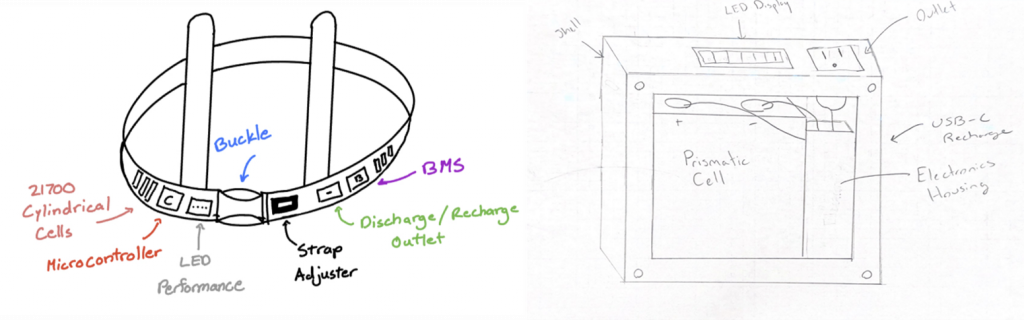
Our first design will resemble a utility belt and be made up of several cylindrical batteries wrapped around the body. These batteries will be balanced by a BMS that will communicate power levels to the microcontroller, which will relay that information to the user.

The second design will be condensed around a single prismatic battery (which our sponsor Lithionics was happy to provide us during our presentation visit). Because there is only one battery, there is no need for a BMS to balance the system, so power levels and safety protections will be handled directly by the microcontroller.