This week, our team spent our time gathering data and a first stage structural prototype of our device for the upcoming Prototype Inspection Day on Tuesday, November 4th. In class, we were provided all the important details of this benchmark event, which are summarized below:
- 15 minute presentation to a set of 2 judges + a 10 minute Q&A
- Repeated presentations 3 times
- Take notes in the presentations to keep track of feedback
- Content
- Define the goal of the prototype
- Define the uses of the prototype
- Define the type(s) of the prototype
- Define the hypothesis associated with the prototype
- Define the experimental plan with the prototype
- Create and present a schedule for procurement, construction, and testing of the prototype and/or future prototype iterations
Our Plan
In discussing what we wanted to present in our PID presentation, we had to base the decision on what we had accomplished thus far. Since we had developed CAD drawings of our first iteration of the functional prototype (our deliverable to Arthrex), we decided that one prototype that we could present is a structural prototype of what we expect our first iteration to look like once we receive materials and complete the machining and assembly process. Therefore, we 3D printed these structural drawings to present at the PID.
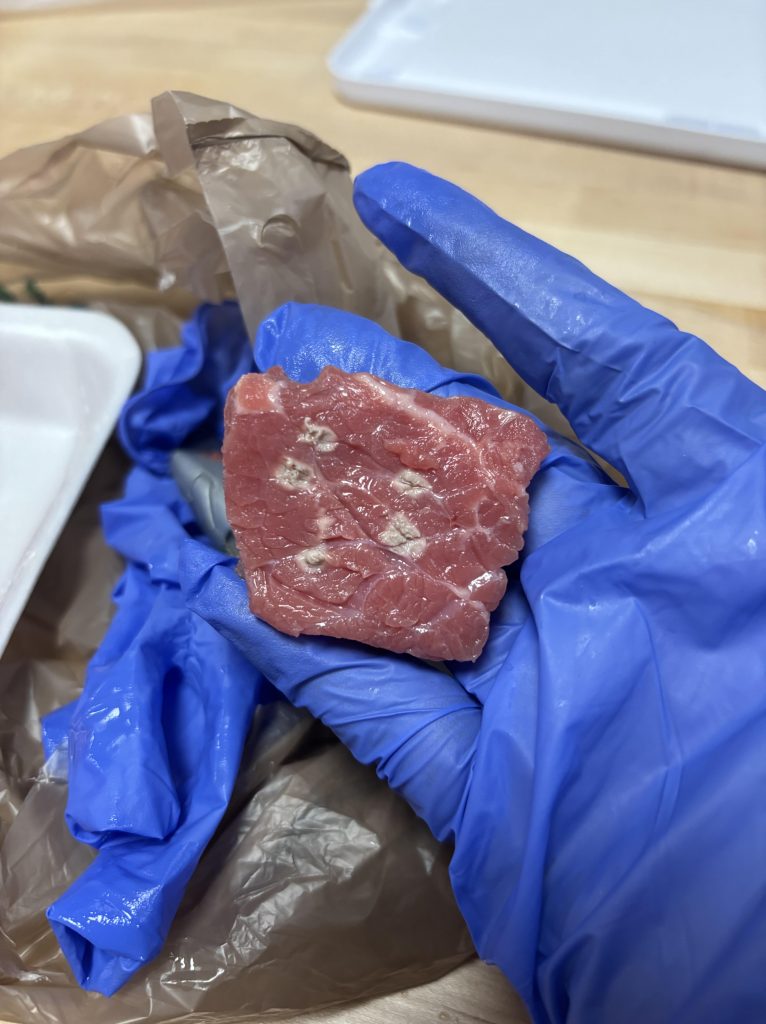
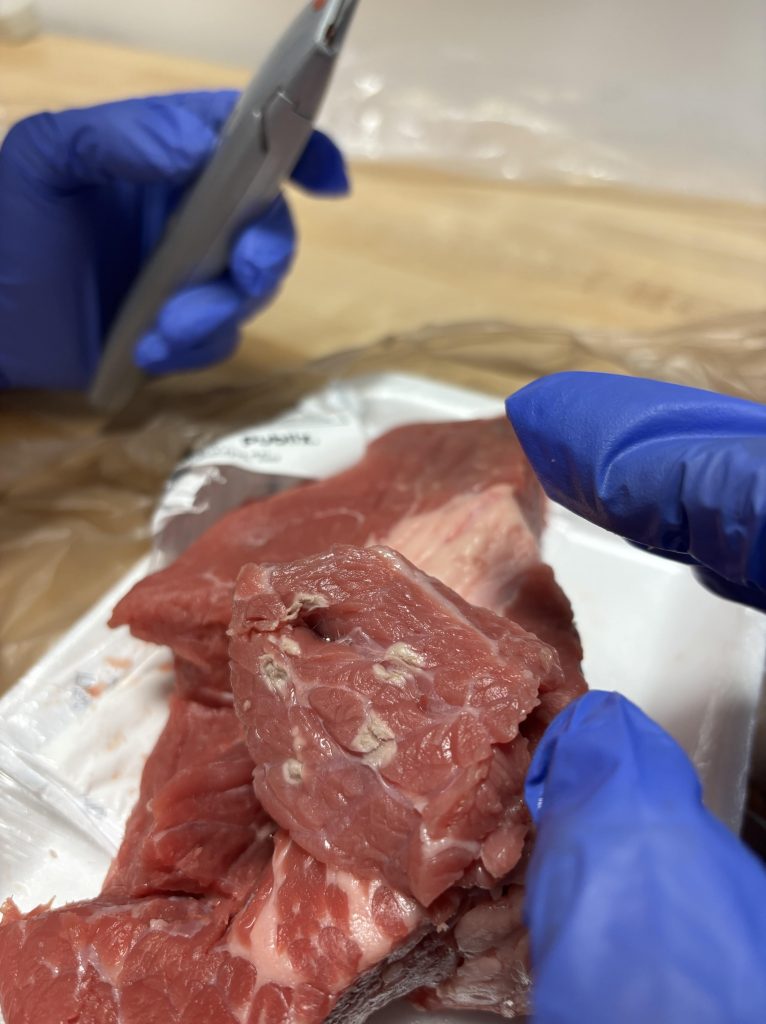
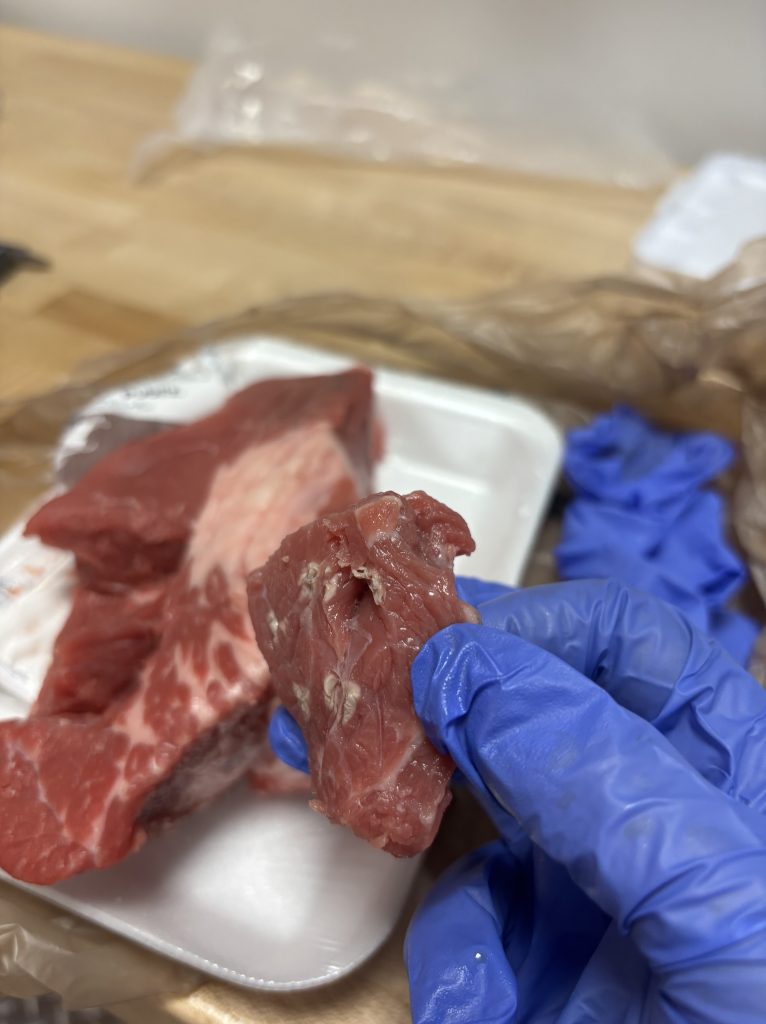
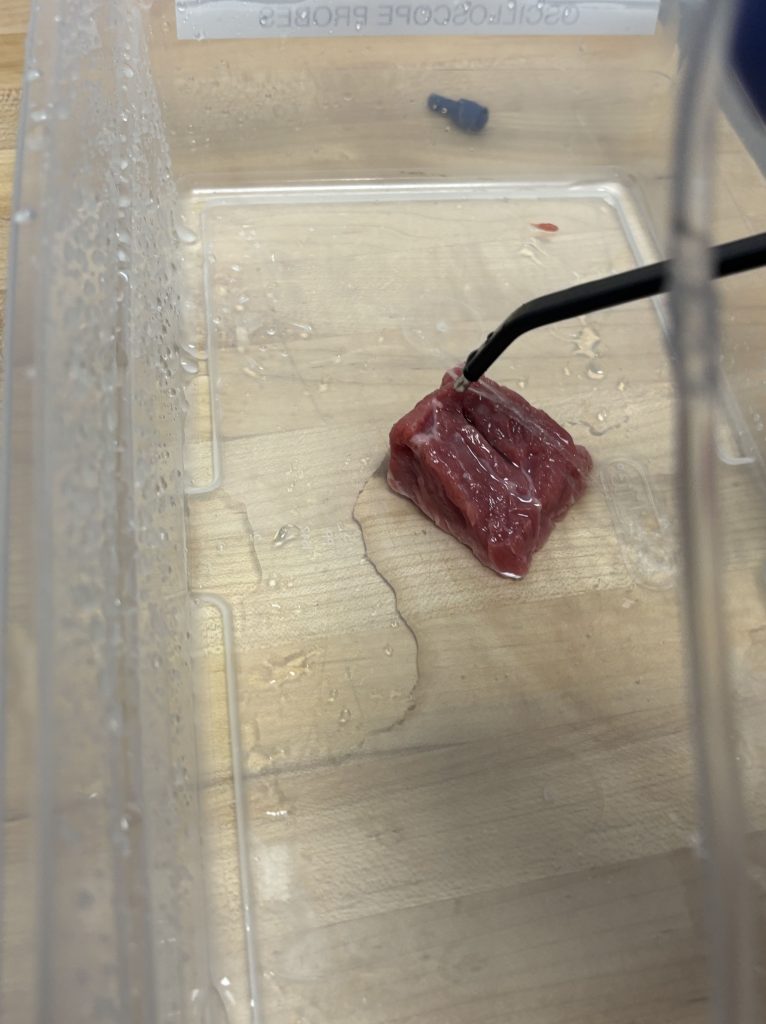
To demonstrate functionality (provide a version of a functional prototype), we decided to use our designed testing methods for our future prototypes on the competitive market on the surgical device market, the Smith + Nephew Werewolf Probe. We did this for a few reasons. First, as discussed last week, we wanted to demonstrate that we could electrically map wire layout and PCB design of an RF Hemostasis probe to the AR9800, per the Arthrex scope of work. However, in order to go from there, we tested this device on meat to see the type of tissue effect that would be achieved with the design and materials used by the competitor. As we will discuss in our PID, the evaluation of future functional prototypes will be determined by metrics such as the depth of penetration of tissue effect and the area of spread on the surface of that effect. These will be measured with AR9800 power level as the independent variable and the time of coagulation as a constant.
More Photos from Functional Testing
Wish us luck this upcoming week at our PID!